Every land bank home and lot in America, on one map.
Land banks sell government-owned houses and vacant lots at deep discounts — but their listings are scattered across dozens of separate sites and never reach Zillow. LandBankSearch puts them all in one searchable place.
- properties for sale
- 79,413properties for sale
- markets tracked
- 79markets tracked
- states covered
- 27states covered
Inventory updated October 5, 2026
Browse land bank properties by market
in 27 statesThe cheapest houses in America, today
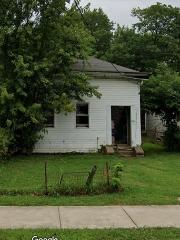
.jpg)
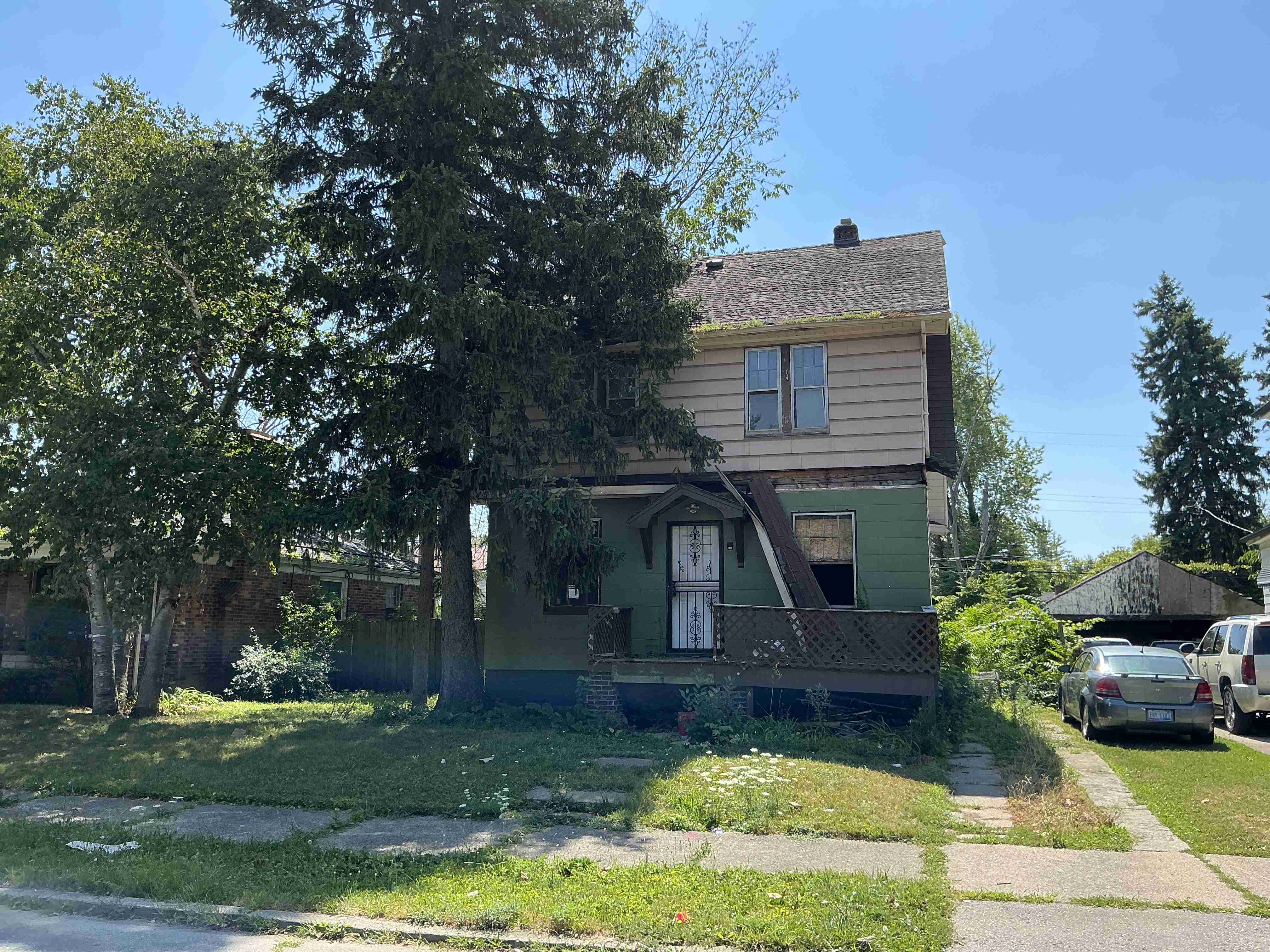
Real asking prices set by each land bank — most have condition, application, or rehab-commitment requirements. Every card links to the parcel on the map and its official source.
Why you won’t find these homes on Zillow
Off-market by default
Land bank inventory lives on municipal websites, PDF lists, and legacy county portals. It never hits the MLS — so Zillow and Redfin never see it.
Priced to move, not to profit
Land banks exist to return vacant property to productive use. Homes commonly sell for $1,000–$20,000 and lots for even less — far below market.
The real process, up front
Buying from a land bank means applications, proof of funds, and often a renovation commitment. We show the actual rules — no courses, no gimmicks.
How buying from a land bank works
Search real inventory
Browse live listings from every land bank we track — prices, locations, lot lines, and a link to the official source for each parcel.
Learn the local rules
Every land bank runs its own process. Many prioritize owner-occupants, offer discounts, or require a renovation plan before approving a sale.
Apply with proof of funds
Most purchases start with an application showing you can fund the purchase and any required rehab — not a one-click offer.
Close and follow through
Some sales carry renovation deadlines or deed restrictions. Meet them, and you own a deeply discounted property.
Deal flow nobody else is watching
Hunt sub-$20k houses and buildable lots across 27 states from one screen — including markets you’ve never set foot in. Set alerts and move the moment new inventory drops.
Start searchingThe most affordable path to owning a home
Many land banks give owner-occupants first priority — and extra discounts on top. If you’re willing to renovate, a land bank home can cost less than a year of rent.
Find homes near youLand bank questions, answered
What is a land bank?
A land bank is a public or nonprofit entity that acquires vacant, abandoned, and tax-foreclosed properties and returns them to productive use — usually by selling them at steep discounts to buyers who will maintain or renovate them. There are hundreds of land banks across the U.S., concentrated in the Midwest and Northeast.
Why are land bank homes so cheap?
Land banks are not trying to maximize profit; they are trying to eliminate vacancy and get properties back on the tax rolls. Most homes need renovation, and the pricing reflects that. Cheap does not mean obligation-free — many sales require a rehab plan and proof of funds.
Do land bank properties have clear title?
Usually, yes — clearing title is one of the core things land banks do before selling. Still, confirm with the individual land bank whether a property is sold with insurable title, and budget for a title search at closing.
Can investors or out-of-state buyers purchase from a land bank?
Often, yes — but policies vary. Many land banks prioritize owner-occupants for homes while selling vacant lots to anyone, and some require a local track record or partner. Each listing on LandBankSearch links to the source so you can check the rules that apply.
How do I buy a house from a land bank?
In general: find a property, review that land bank's requirements, submit an application with proof of funds (and a renovation plan if required), then close. Timelines run from a few weeks to a few months depending on the land bank.
Can I finance a land bank home?
Many buyers pay cash because prices are low, but renovation loans like the FHA 203(k) can work where the property qualifies. Some land banks and cities also offer local rehab financing, plus discounts for owner-occupants and public employees.
Are $1 homes real?
Occasionally — some land banks have sold homes or side lots for $1 with strict renovation commitments attached. They are rare. The realistic sweet spot is homes for $1,000–$20,000 and lots for a few hundred dollars.
Why is this inventory not on Zillow?
Zillow and Redfin pull from the MLS. Land banks list on their own websites and PDFs instead, so their inventory never enters that pipeline. That is the gap LandBankSearch exists to close: one searchable map of all of it.
Is LandBankSearch really free?
Yes — searching the map, viewing listings, and one saved search with weekly email alerts are free forever, no card required. Serious buyers can upgrade to Pro ($19/month) for daily alerts the morning new inventory drops, unlimited saved searches, CSV export, and a buildability report — flood, wetland, slope, and road-access checks — on every parcel.
Get new listings before anyone else
Free email alerts when fresh land bank inventory drops in your market. One saved search, no spam, unsubscribe anytime.
Free: one saved search, no spam, unsubscribe anytime.
The $1,000 house goes to whoever hears first
This is the email Pro subscribers wake up to. Free accounts get one saved search and a weekly digest — Pro gets every match, every morning.
- Daily alerts — up to a 6-day head start on every new listing
- Unlimited saved searches — watch every market and strategy at once
- Buildability report — flood, wetland, slope & road-access checks on every parcel
- CSV export — any search, straight into your spreadsheet or CRM
1,042 new listings hit the map in the last 7 days.
Free forever to search. Need the raw data? There's an API.
3 new matches: Detroit houses under $10k
SampleLandBankSearch Alerts <alerts@landbanksearch.com> · 7:04 AM
3 new matches
Daily alert · Under $10,000 · Detroit
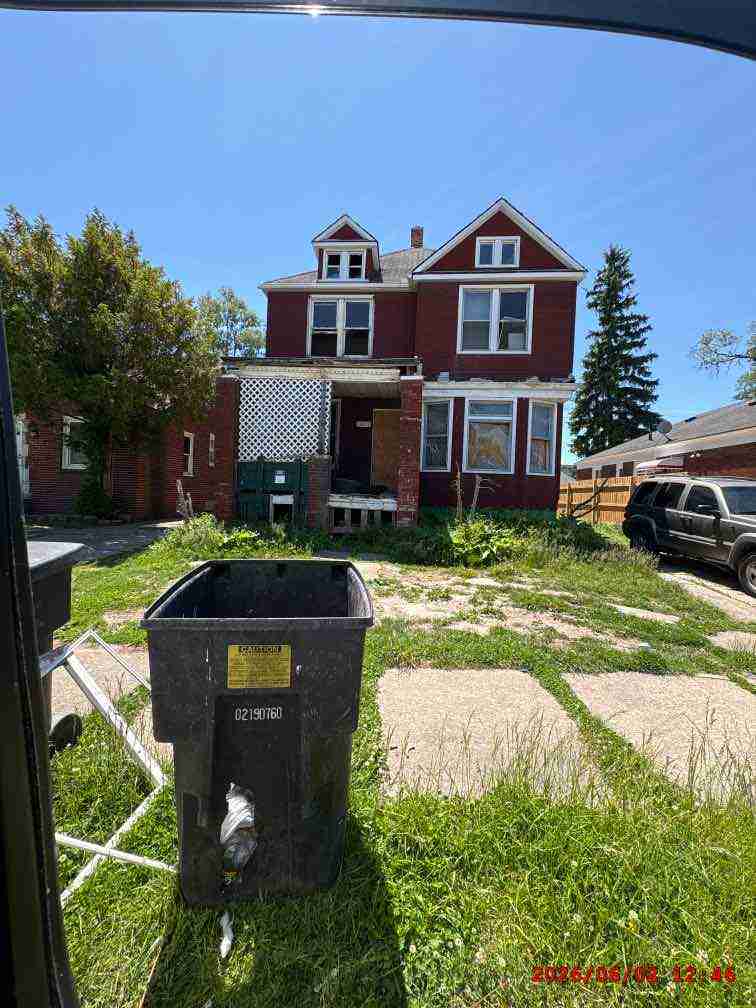
$1,000
14474 Fordham
Detroit, MI
$5,000
302 W 51st St
0.069 acres · Chicago, IL
4 more new matches, locked
from $1,500 · Cleveland, Youngstown
Pro subscribers see every match, every day.